
Complete Guide to Parrot Health: Daily Early Checks, Prevent Minor Illnesses Early, and Raise Birds Scientifically Without Common Pitfalls
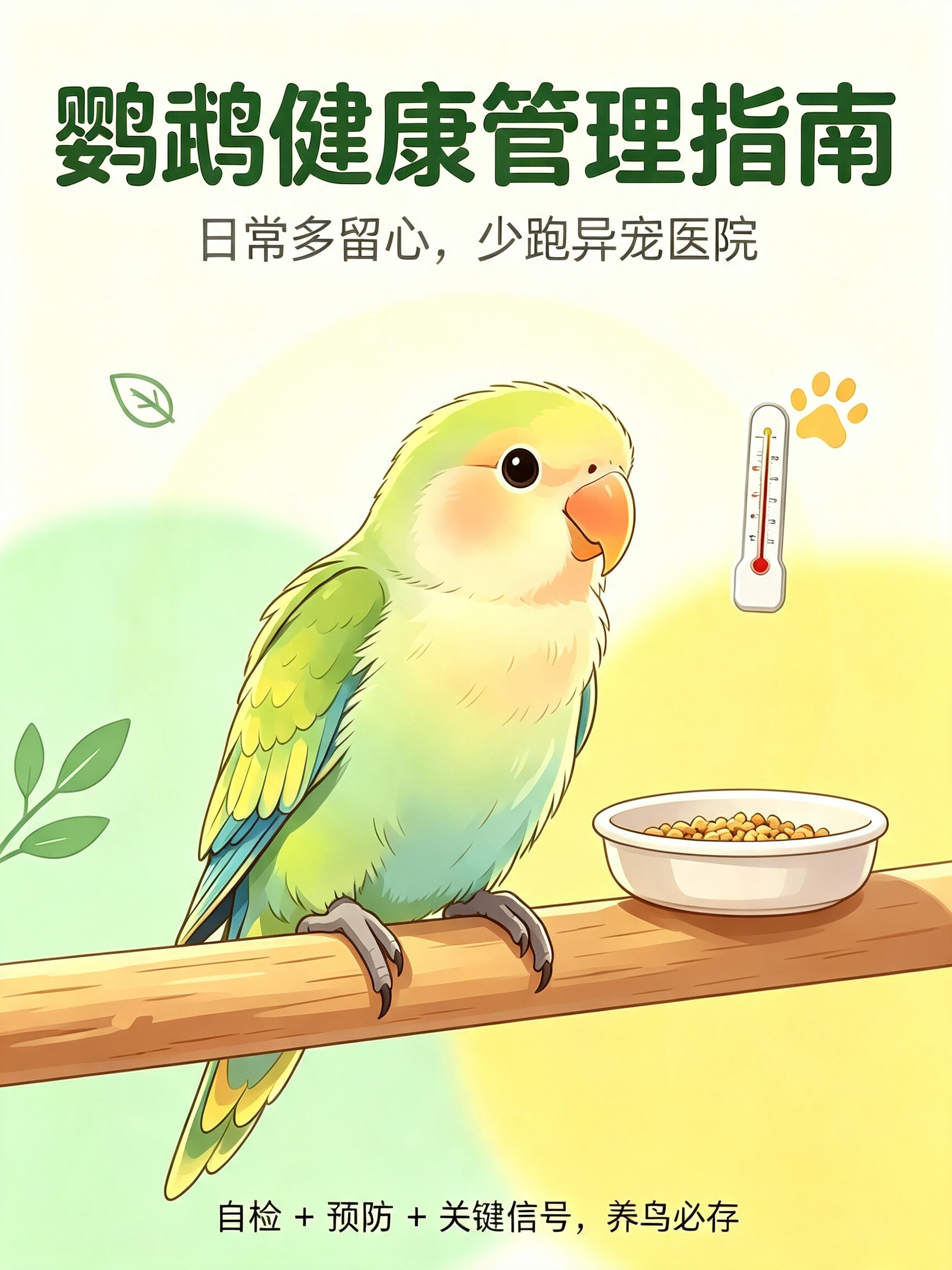
Many new bird owners don't realize that parrots are experts at hiding illness. By the time symptoms become visible, it's often too late for effective treatment. This minimalist care guide helps you significantly reduce your bird's risk of falling ill with daily checks.
Daily Essentials: Inspect 4 key areas
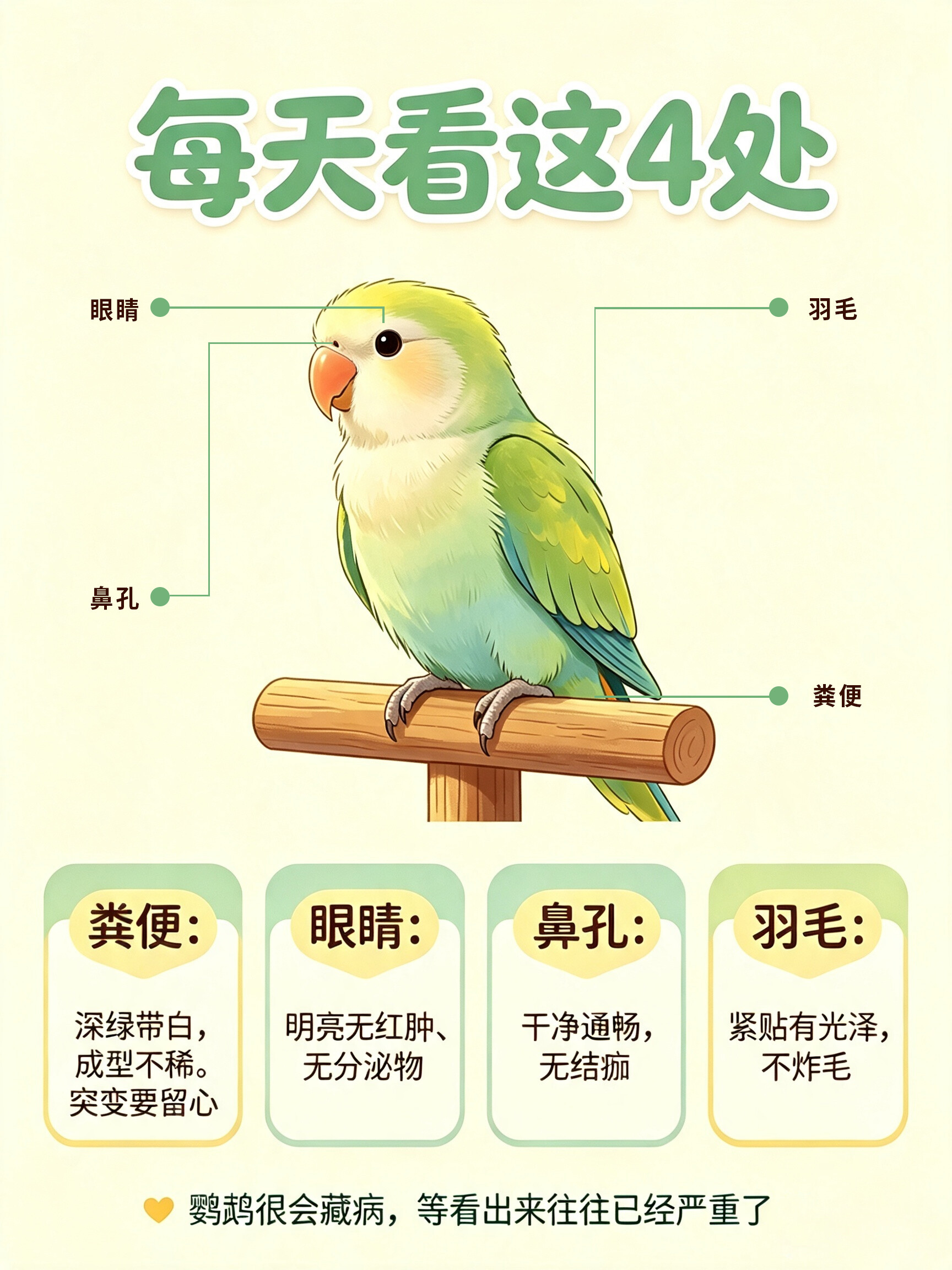
Spend 30 seconds daily on a self-check to quickly assess your basic health status:
Stool: Normal is dark green with white specks, formed and dry. Be alert immediately if there is diarrhea or blood in the stool.
Eyes: Clear, no redness, swelling, tearing, or discharge.
Nostrils: Clean and clear, no blockages or crusts.
Feathers: Should be sleek and glossy against the body. Unexpected fluffing is a warning sign.
II. 6 High-Risk Warning Signs – Pay Attention Immediately If You Notice Any
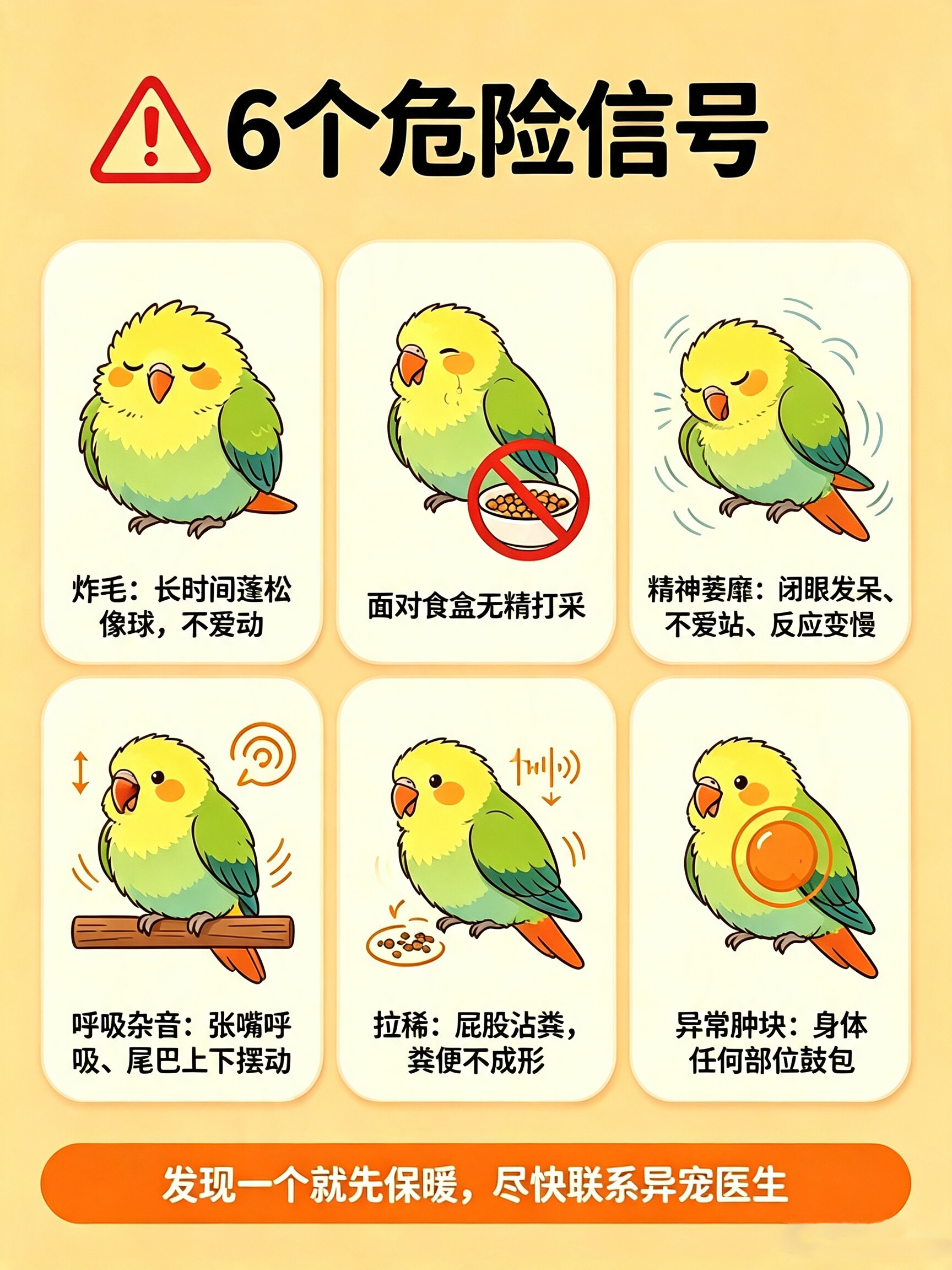
If any of the following occurs, keep your pet warm immediately and contact an exotic animal specialist:
✅ Long-term frizz and puffed-up, curls into a ball and avoids activity
✅ Refusal to eat: No appetite for food
✅ Lethargic, eyes closed and staring blankly, slow to react
✅ Mouth breathing, thoracic murmur present, tail moves with respiration
✅ Persistent diarrhea with fecal soiling around the vent
✅ Unexplained lumps or abnormal growths on the body
3. Prevention is better than cure: uphold 4 daily safeguards
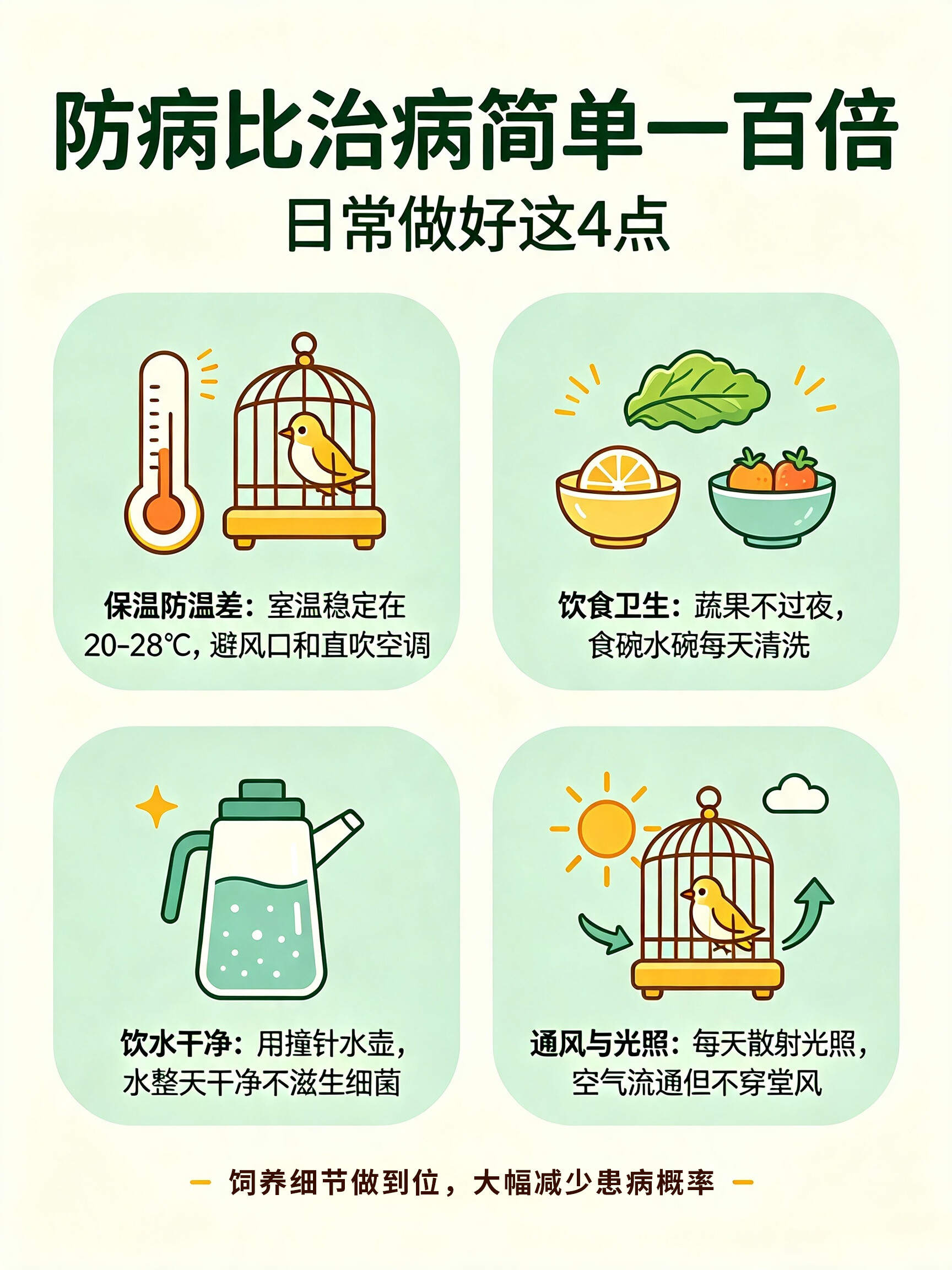
Minor ailments are treated; major diseases are prevented. Basic husbandry details determine overall health:
Stable temperature control: Maintain environment at 20-28°C, away from direct air conditioning vents and drafts.
Hygiene: Feed fresh fruits and vegetables daily; clean food and water bowls every day.
Water Safety: Use a spike bottle to prevent rapid water spoilage and bacterial growth.
Light & Air: Provide gentle, indirect sunlight daily and ensure good airflow to avoid humidity buildup.
IV. Key Care Points During the Molting Vulnerability Period
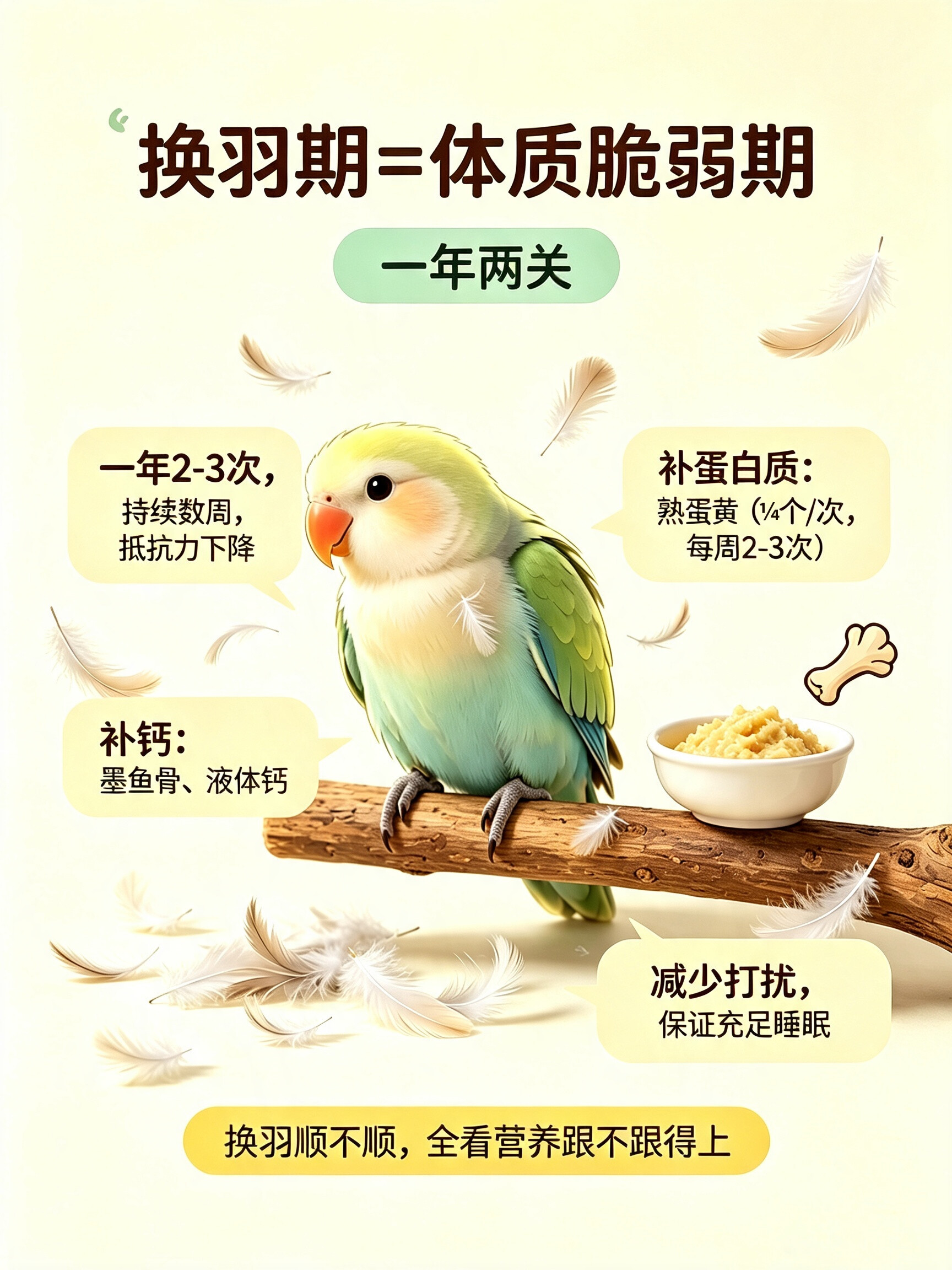
Parrots molt 2 to 3 times a year; their immunity drops sharply during this period:
Supplements: Add a small amount of cooked egg yolk 2–3 times per week for protein; keep cuttlebone or liquid calcium on hand for calcium.
Habitat Management: Minimize frequent disturbances to ensure smooth daily molting and adequate sleep. The key lies in whether nutritional support is sufficient.
5. Key Takeaway: When to Seek Emergency Care for Exotic Pets
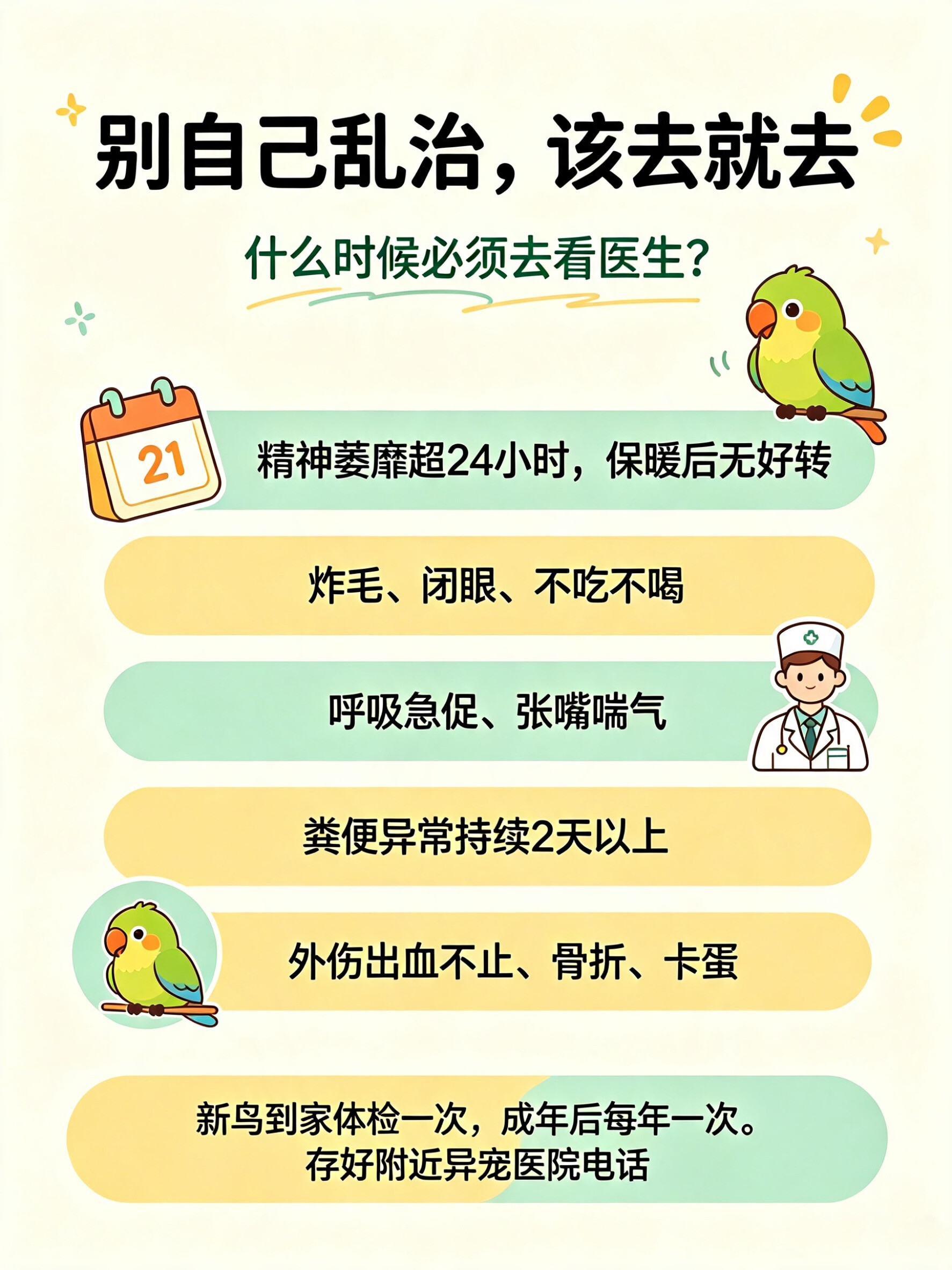
Do not self-medicate or attempt to treat blindly. Seek medical attention promptly if the following conditions are met:
Lethargy lasting more than 24 hours with no improvement after warming
Aggressive, lethargic, and completely refusing food and water
Shortness of breath, chronic mouth breathing
Abnormal stool for 2 days or more
Uncontrolled bleeding from trauma, suspected fracture, or egg-binding in a female bird
Bird-keeping Tips
Have your new parrot examined by a vet immediately upon arrival; schedule annual check-ups once they reach adulthood. Save the contact information for a local exotic pet specialty clinic in advance to be prepared.